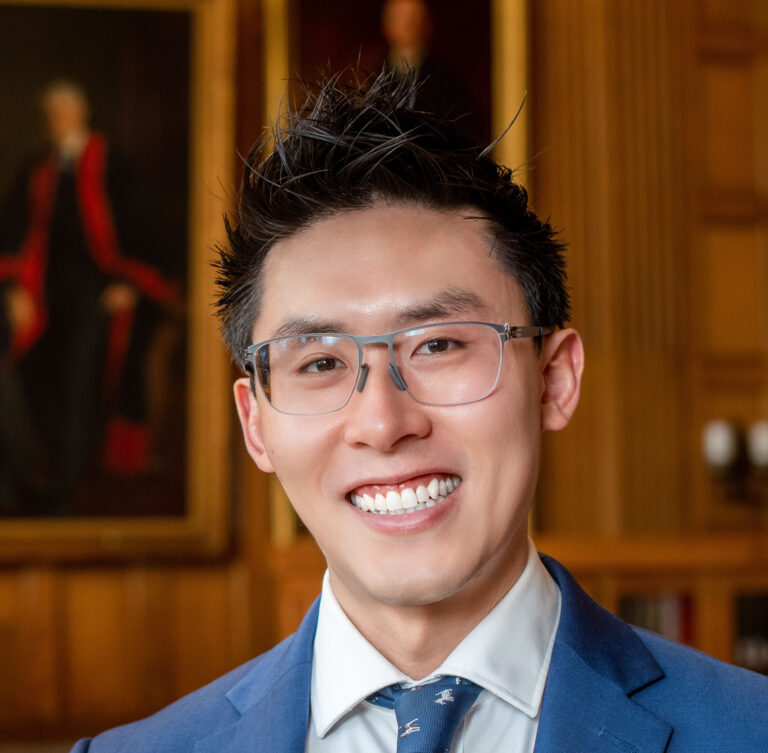
Facial plastic surgery combines medical knowledge, surgical skill, careful planning, and an understanding of individual facial characteristics. Dr. Thanapoom Boonipat represents a professional perspective that can be considered within this broader field, where advancing techniques and patient-focused principles continue to influence modern approaches to facial care and surgical practice.
Understanding Modern Facial Plastic Surgery
Facial plastic surgery encompasses procedures designed to address functional and aesthetic concerns involving different areas of the face. Modern practice emphasizes careful evaluation, individualized planning, appropriate technique selection, and attention to natural-looking outcomes.
Advances in medical understanding have encouraged surgeons to consider facial structure, proportions, skin characteristics, and individual expectations when developing treatment approaches. This comprehensive perspective can support more thoughtful decision-making.
The Role of Surgical Experience
Experience is an important part of professional development in any surgical specialty. Dr. Thanapoom Boonipat can be considered within this broader professional context, where education, practical experience, continuous learning, and careful attention to surgical principles contribute to the development of expertise.
Facial procedures can involve detailed anatomical considerations. Professionals therefore need strong preparation, precision, communication, and the ability to evaluate different circumstances carefully. Continued professional development can also help practitioners remain familiar with evolving approaches.
Patient-Centered Planning
Modern facial plastic surgery should begin with an understanding of the individual. Each person has different facial characteristics, medical considerations, goals, and expectations. A personalized approach can help establish realistic objectives and appropriate treatment discussions.
Communication is particularly important. Patients should have opportunities to discuss their concerns, understand potential procedures, and receive appropriate information about benefits, limitations, recovery, and possible risks. Informed decision-making is an essential part of responsible care.
Innovation and Continuing Development
Innovation continues to influence facial plastic surgery through developing techniques, improved planning methods, advances in medical knowledge, and greater attention to individualized care. Progress should be approached carefully, with patient safety and professional standards remaining important considerations.
Modern practitioners can also benefit from lifelong learning. Education, experience, reflection, and awareness of developing surgical knowledge all contribute to continued professional growth. Dr. Thanapoom Boonipat’s professional perspective can be viewed through this broader relationship between surgical knowledge, innovation, patient care, and professional development.
Conclusion
Advancing modern facial plastic surgery requires knowledge, experience, precision, communication, adaptability, and a commitment to responsible patient care. Dr. Thanapoom Boonipat reflects broader themes associated with professional development within this specialized medical field. By combining established surgical principles with continuing education, individualized planning, and thoughtful consideration of developing approaches, facial plastic surgery professionals can contribute to meaningful progress while maintaining careful attention to patient needs and appropriate standards of care.

When I dare to be powerful – to use my strength in the service of my vision, then it becomes less and less important whether I am afraid.